Statistics Canada uses a classification system to describe Canadian economies: the national economy and the economies of the ten provinces and three territories. This post will describe the basic structure of the classification system and highlight certain economic variables. It serves as basic information in support of future postings. Also noted that the Canadian structure is consistent with international standards to which Canada was a participant.
The economy is structured into the Business Sector and the Non-Business Sector. The Business Sector is separated between the six Goods Producing industries and the fourteen Service Producing industries. The Non-Business Sector is also separated into two groups: Non-Profit Institutions Serving Households and the Government Sector. Generating profits is not the primary focus of the Non-Business Sector so their value-added is largely limited to wages paid. Other benefits associated with an educated and healthy labour force or a society that enforces contracts and protects property are captured not by government directly but by economic actors – labour and business owners.
One Statistics Canada data set that captures detailed information is Table 36- 10-0489-01. The table includes data from 1997 to date and provides basic productivity-related data for each sector and industry. Basic productivity-related data includes the following for each industry:
- total number of jobs
- hours worked for each job
- annual average number of hours worked for all jobs
- total compensation for all jobs
- nominal value added
- real value added
- labour productivity
- total compensation per hour worked
- unit labour cost
- unit labour cost in US dollars
- labour share
This data allows one to describe the changing composition of the economy by total hours worked, total labour compensation paid and nominal value added.
Of particular value is the labour productivity data. Labour productivity trends relate to the quality of the technology, the product mix and the business model and the quality of the engaged labour force. Labour productivity is measured as real value added per hour worked for each industry or economic sector.
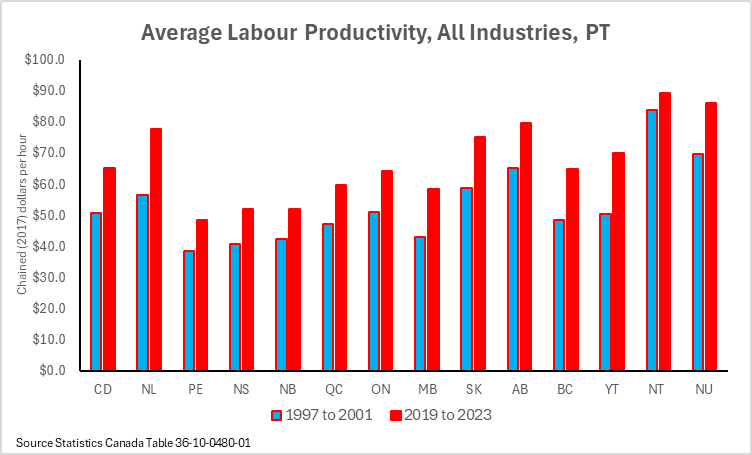
Figure 1 is provided as a simple example of how the data can be presented. A comparison of the different sectors will be included in tomorrow’s posting.
 LG Economic Insights
Leave a comment