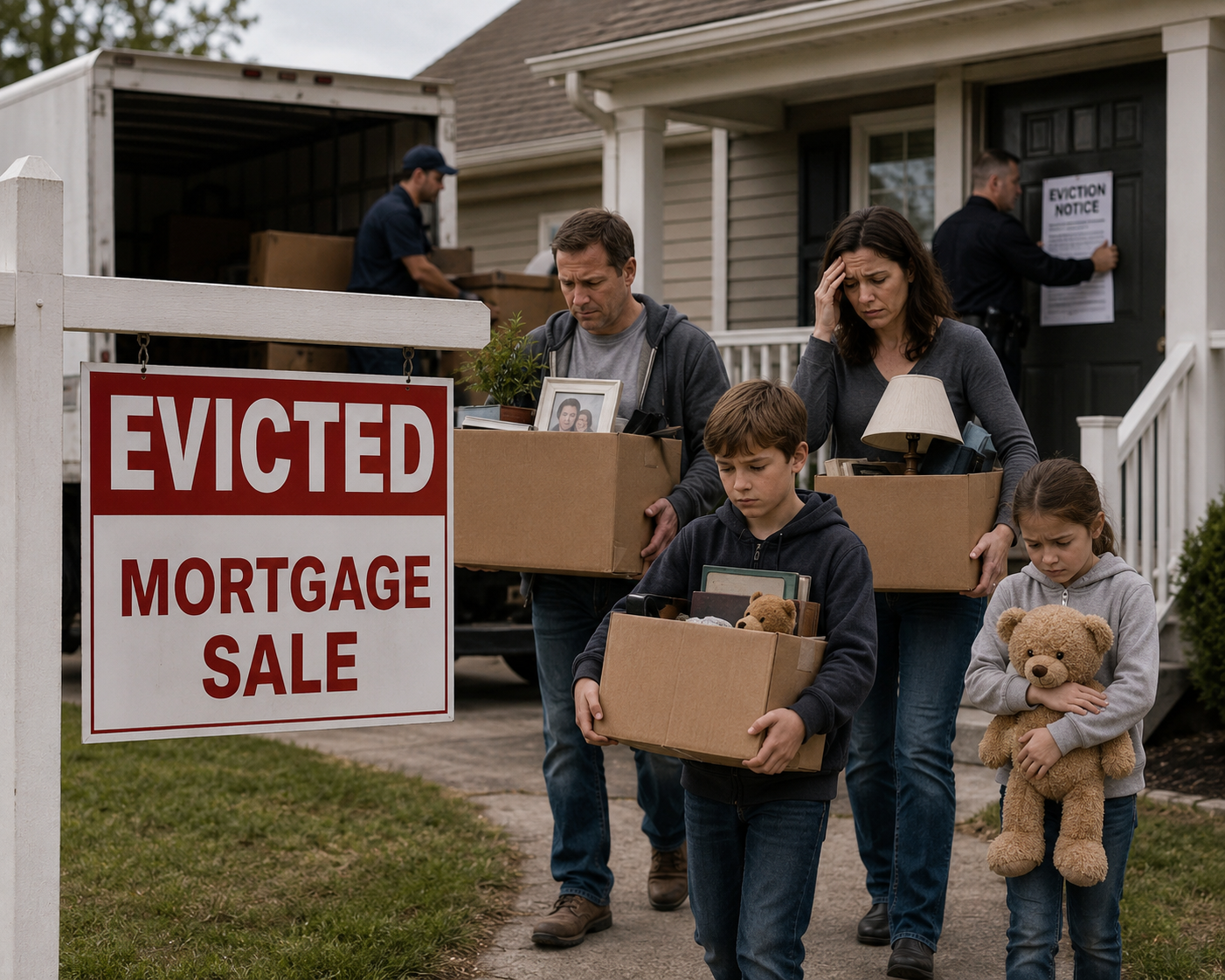
The structural vulnerabilities that triggered the 2008 Global Financial Crisis are re-emerging in a different form. The assets and players have changed, but the underlying mechanics remain familiar: excessive leverage, opaque financing, regulatory retreat, and a political willingness to rescue powerful institutions while households bear the costs.
The 2008 crisis was engineered through financial alchemy. Risky subprime mortgages were transformed into securities that received Triple-A credit ratings despite being built on unstable foundations.
Much of this occurred in the shadow banking system – a network of non-bank lenders, securitization vehicles, money market funds, and private investment funds operating with less oversight than traditional banks.
Because these securities were treated as virtually risk-free, they became collateral for additional borrowing, creating a dangerous cycle:
Risky mortgages → “safe” securities → more borrowing → more risky assets.
When confidence collapsed, governments rescued many of the institutions deemed “too big to fail.” Millions of households, however, lost their homes and savings.
The New Debt Engine
Today, the rapidly expanding asset class is data-centre infrastructure, the foundation of AI, cloud computing, and hyperscale digital services. These projects require trillions of dollars in financing, much of it supplied through private credit, non-bank lenders, and other shadow banking institutions.
Several similarities to 2008 stand out:
- Heavy reliance on lightly regulated shadow banking.
- Multiple layers of leverage as investors and lenders borrow against borrowed funds.
- A gradual weakening of capital, liquidity, and supervisory standards.
- Higher interest rates increasing refinancing and debt-servicing risks.
None of this guarantees another financial crisis. However, it does increase systemic vulnerability should investor confidence weaken.
Post-2008 Safeguards Are Being Weakened
Many of the reforms introduced after 2008 have since been rolled back.
The Financial Stability Oversight Council (FSOC) has reduced its use of systemic-risk designations for large non-bank financial institutions, shifted toward activities-based regulation, and eliminated committees focused on climate-related financial risks.
The Consumer Financial Protection Bureau (CFPB) has withdrawn dozens of guidance documents covering mortgage lending, debt collection, credit reporting, and consumer protection standards.
The Warning
History rarely repeats itself exactly, but it often rhymes.
If the AI and data-centre boom continues to rely on highly leveraged, lightly regulated financing while financial oversight continues to weaken, the ingredients for another systemic crisis could again be accumulating.
The assets are different. The investors are wealthier. But leverage, opacity, regulatory erosion, and the expectation of public rescue remain strikingly familiar.
Perhaps that is why the title Great Recession 2008 Redux? no longer seems far-fetched.

Leave a Reply