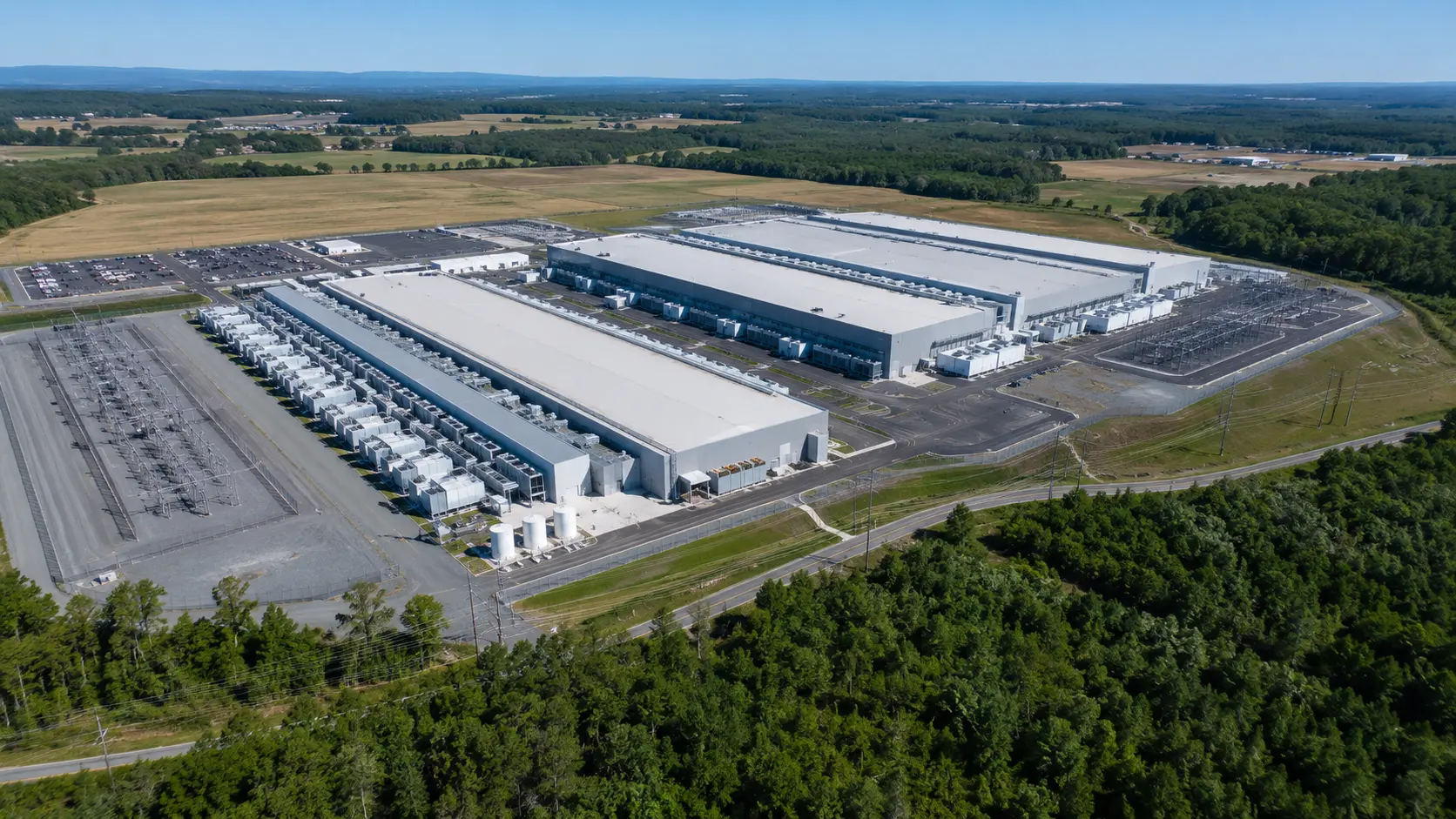
Oracle’s long-term credit rating was downgraded to BBB-, the lowest tier of investment-grade debt and just one notch above junk status. Is this simply an isolated event or the first tremor of a broader AI bust? What is clear is that credit markets are becoming more discerning, and the era of virtually unlimited capital for AI infrastructure may be drawing to a close.
Yesterday’s post examined the investment-led AI boom and some of the risks accompanying the unprecedented build-out of AI infrastructure.
On July 9, 2026, S&P Global Ratings lowered Oracle’s credit rating from BBB to BBB-. The downgrade was not driven by a weakening business. Oracle’s cloud revenue continues to grow at an impressive 93% year over year. Instead, it reflects concerns about the scale, speed, and financial risk of its AI investment strategy.
Oracle is transforming itself from a mature enterprise software company into a capital-intensive hyperscaler racing to build AI computing capacity. That transformation:
- Requires enormous upfront capital, while returns are spread over multi-year contracts.
- Leaves the company exposed if AI demand slows, frontier-model developers struggle to raise capital, or major customers fail to generate sustainable returns.
- Has increased Oracle’s debt burden to levels more commonly associated with speculative-grade borrowers.
Oracle’s downgrade signals something much broader than the financial position of a single company.
It reflects growing caution across credit markets as lenders, regulators, and rating agencies reassess the risks associated with financing the AI infrastructure boom. The concern is not that AI lacks long-term potential, but that the scale and pace of investment may be running ahead of sustainable cash generation.
The downgrade also challenges the assumption that hyperscaler expansion is financially bulletproof. Credit markets are increasingly questioning:
- Multi-hundred-billion-dollar AI capital expenditure programs.
- Heavy dependence on a small number of frontier-model developers.
- The acceptance of prolonged negative free cash flow as a strategic investment rather than a warning sign.
- Whether AI demand will grow quickly enough to justify today’s extraordinary pace of infrastructure construction.
The bond market appears to be responding as well:
- AI infrastructure debt spreads have widened by 20 to 40 basis points since June.
- Investors are demanding shorter maturities on hyperscaler-related debt.
- Several major banks have reportedly begun internal reviews of their exposure to AI capital spending.
Oracle’s downgrade did not create these concerns it confirmed them.
The AI boom may now be entering a new phase: a transition from “growth at any cost” to capital discipline.
Credit markets are beginning to ask difficult but necessary questions:
- Can AI compute demand sustain trillion-dollar infrastructure investments?
- Will AI model developers generate enough revenue to justify hyperscaler commitments?
- Are we building AI capacity faster than it can be profitably monetized?
Oracle is simply the first major hyperscaler whose financial profile crossed a threshold that credit rating agencies could no longer ignore.
Whether this proves to be an isolated event or the first indication of a broader reassessment of AI infrastructure investment remains to be seen. What is clear is that credit markets are becoming more discerning, and the era of virtually unlimited capital for AI infrastructure may be drawing to a close.
Leave a Reply